


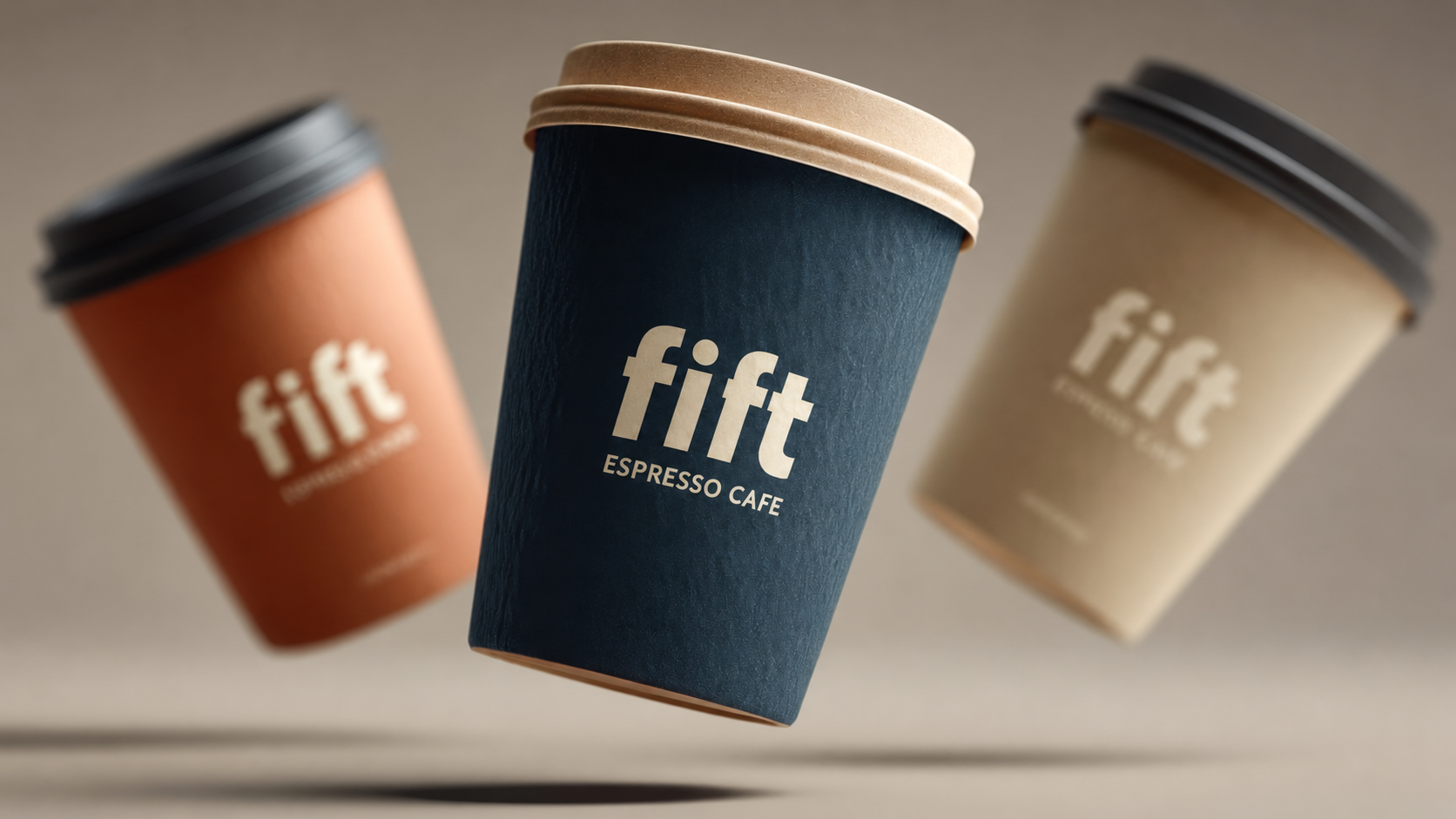
Artificial intelligence has made it easier than ever to create a logo, choose brand colors, write a tagline, and generate marketing graphics.
That accessibility can be helpful, particularly for a new business with a limited budget. However, it has also created a noticeable problem: many brands are beginning to look and sound the same.
They use similar minimalist logos, predictable color palettes, polished stock-style images, and interchangeable messages about innovation, excellence, and growth. The materials may look professional, but they do not always communicate anything memorable or meaningful about the business.
AI can generate attractive creative assets. It cannot automatically create a distinctive brand.
Building a strong brand still requires human insight, strategic thinking, creative direction, and a genuine understanding of the business and its customers.
AI Can Create Graphics, but Branding Is More Than Design
Professional branding involves much more than developing a logo or selecting a color palette. A brand is the complete impression people develop when they encounter a business.
Your brand includes:
- Your positioning
- Your values
- Your personality
- Your visual identity
- Your messaging
- Your customer experience
- The promises you make
- The way you deliver on those promises
A logo generator may produce a polished symbol. An AI writing tool may suggest a tagline. An image generator may create a professional-looking social media graphic.
These individual elements are not necessarily a cohesive brand.
Effective branding connects every visual and verbal decision to a larger strategy. It communicates what makes the business different, why that difference matters, and why the right customer should care.
Without that foundation, even attractive marketing materials can feel generic.
Why AI-Generated Brands Often Look Alike
Generative AI tools are trained to recognize and reproduce patterns found across enormous collections of existing content. When asked to create a modern logo or write sophisticated brand messaging, they often generate ideas based on familiar patterns and frequently used creative conventions.
That can result in familiar creative choices, such as:
- Geometric sans-serif typefaces
- Blue, purple, or teal gradients
- Abstract line icons
- Minimalist monograms
- Generic office or lifestyle imagery
- Predictable phrases about transformation and innovation
- Vague promises to help customers grow or succeed
None of these elements is inherently wrong. The problem arises when they are selected because they are common rather than because they are appropriate for the business.
If competitors use the same aesthetic and language, prospective customers may struggle to remember who offered what.
A recognizable brand requires more than following current design trends.
The Difference Between Attractive and Distinctive
An attractive brand looks polished. A distinctive brand is recognizable, relevant, and difficult to confuse with a competitor. You can see examples of our branding and design work to understand how strategy and visual execution work together.
Distinctive branding gives people something specific to remember. That could be an unusual visual style, a clear point of view, an authentic personality, a memorable message, or a customer experience that feels unlike anything else in the market.
Consider a business that uses the following message:
“We provide innovative solutions designed to help your business thrive.”
The statement sounds professional, but it could describe almost any consultant, technology company, financial firm, or marketing agency.
Compare that with:
“We help Northern Virginia professional-services firms transform complex expertise into clear, credible brands that customers understand and remember.”
This version identifies the audience, describes the value, and gives prospective customers a clearer reason to pay attention.
Specificity makes a brand more credible and memorable. It also gives designers, writers, and marketers a stronger foundation for creating consistent materials.
Why Generic Branding Can Hurt a Business
When branding feels interchangeable, businesses may experience several problems.
Customers Do Not Understand the Difference
If every company makes similar claims, customers are more likely to compare providers based on price or convenience.
A distinctive brand gives people another reason to choose you.
Marketing Becomes Inconsistent
Without a clear brand strategy, each new brochure, presentation, social post, or website page may look and sound slightly different.
AI can intensify this problem when employees use different prompts, tools, visual styles, and tones without shared guidelines.
Businesses that regularly need brochures, presentations, social graphics, and other marketing materials may benefit from ongoing graphic design support.
The Business Becomes Difficult to Remember
People rarely remember generic language or visuals. They remember businesses with a recognizable personality, clear expertise, and consistent presentation.
Trust Can Decline
AI-generated images and language sometimes appear polished at first glance but contain subtle inconsistencies, exaggerated claims, or details that feel artificial.
When customers notice these issues, they may question the care and credibility behind the business.
Brand Strategy Must Come Before AI Execution
Before using AI to create branding or marketing materials, a business needs to define the fundamentals of its identity.
A thoughtful brand strategy should address questions such as:
- Who are our ideal customers?
- What problems are they trying to solve?
- What do they value when choosing a provider?
- How are we genuinely different from our competitors?
- What do we want people to remember about us?
- What personality should the brand communicate?
- What should the brand never look or sound like?
- What proof supports the promises we make?
These decisions cannot be made effectively by entering a short prompt into a logo generator.
AI may help explore possibilities, but business owners and experienced creative professionals must determine which ideas are strategically appropriate.
How Businesses Can Use AI Without Losing Their Identity
AI does not need to be excluded from the branding process. It can be useful when it supports a defined strategy and remains under human creative direction.
Use AI for Exploration
AI can help generate preliminary ideas, organize research, explore creative themes, or identify questions that should be considered during brand development.
These outputs should serve as starting points—not final decisions.
Create Clear Brand Guidelines
Document your approved:
- Logo usage
- Color palette
- Typography
- Photography style
- Illustration style
- Tone of voice
- Core messages
- Words and phrases to use
- Words and phrases to avoid
Professional brand identity and logo design can help establish a consistent visual system for websites, presentations, social media, and marketing materials.
Anyone using AI to create content should work within these established guidelines.
Provide Detailed Creative Direction
A vague prompt produces a generic result.
AI tools perform better when they receive information about the audience, brand personality, business goals, visual system, desired emotion, and context in which the material will be used.
Even then, the output requires professional review.
Use Original Material
Original photography, employee perspectives, customer stories, case studies, custom illustrations, and firsthand expertise give a brand character that generic AI content cannot easily reproduce.
These materials help customers see the real people and experience behind the business.
Keep Humans Responsible for Final Decisions
Every AI-assisted asset should be reviewed for:
- Accuracy
- Brand consistency
- Visual quality
- Tone
- Accessibility
- Unintended bias
- Copyright or ownership concerns
- Fit with the intended audience
Efficiency should never replace accountability.
Businesses should also understand that copyright protection for AI-generated materials may depend on the extent of meaningful human authorship involved. The U.S. Copyright Office’s guidance on artificial intelligence explains its current approach to works containing AI-generated material.
The World Intellectual Property Organization’s guide to AI and intellectual property for small businesses also outlines issues businesses should consider when using AI-generated graphics, logos, and other creative materials.
Because ownership and copyright rules surrounding AI-generated materials continue to evolve, businesses with specific intellectual-property concerns should consult a qualified attorney.
Signs Your Brand May Be Becoming Too Generic
It may be time for a brand review if:
- Your messaging could describe any of your competitors
- Your marketing uses several unrelated visual styles
- Your social media graphics look like templates
- Your website relies heavily on generic stock or AI-generated images
- Employees describe the business differently
- Customers do not understand what makes you different
- Your logo looks dated or does not reflect your current services
- Your materials appear professional but do not feel recognizable
These issues do not always require a complete rebrand. Sometimes a strategic brand refresh can improve messaging, strengthen visual consistency, and make the business more distinctive without discarding all existing brand equity.
When to Refresh a Brand—and When to Rebrand
A brand refresh may be appropriate when the business has a strong foundation but needs updated typography, colors, imagery, messaging, or design standards.
A more extensive rebrand may be necessary when:
- The business has changed direction
- Services or audiences have significantly expanded
- The existing identity creates the wrong impression
- The company has outgrown its original positioning
- A merger or leadership change has altered the organization
- The brand is consistently confused with competitors
The decision should be strategic rather than based solely on personal taste or current design trends.
What Professional Brand Development Adds
Moin Agency’s branding approach begins with discovery. We learn about the organization, its customers, competitors, goals, values, and personality. That understanding guides the development of the messaging and visual identity.
Professional brand development can include:
- Brand positioning
- Audience and competitor research
- Brand messaging
- Logo development
- Color and typography systems
- Visual direction
- Brand guidelines
- Marketing collateral
- Website design
- Ongoing graphic design support
The goal is not simply to make a business look better. It is to create an identity that feels authentic, supports business goals, and remains consistent across every customer interaction.
Your Brand Should Not Look Like Everyone Else
AI has made design and content creation faster, but faster does not always mean more strategic.
A strong brand should reflect something true and specific about the business. It should communicate a recognizable point of view and give customers a meaningful reason to choose that organization over another.
AI can assist the creative process, but it should not define the business’s identity.
The most effective brands will use new technology without sacrificing the originality, judgment, and human understanding that make a company memorable.
Does Your Brand Still Reflect Your Business?
If your branding feels inconsistent, outdated, or too similar to your competitors, Moin Agency can help.
Moin Agency is a branding and marketing agency in Alexandria, VA, helping businesses build distinctive identities through strategy, messaging, graphic design, website design, and marketing communications.
Whether you need a complete brand identity, a thoughtful refresh, or ongoing creative support, we can help you develop a brand that looks professional, feels authentic, and is unmistakably yours.
Is your brand distinctive—or could your messaging and visual identity belong to almost any competitor? Contact Moin Agency to discuss a brand assessment, strategic refresh, or complete brand identity.
Frequently Asked Questions
Can AI Create a Professional Business Logo?
AI can generate logo concepts, but those concepts may be generic, difficult to reproduce, or too similar to existing designs. A professional identity also requires typography, color standards, usage rules, scalability, and a clear connection to the company’s brand strategy.
Is It Acceptable to Use AI-Generated Images in Marketing?
AI-generated images can be useful, but they should be carefully reviewed for quality, accuracy, consistency, and suitability. Businesses should also consider platform disclosure requirements and potential intellectual-property concerns.
What Is the Difference Between a Logo and a Brand?
A logo is one visual identifier. A brand includes the company’s positioning, reputation, personality, messaging, visual identity, and the overall experience it creates for customers.
How Can a Small Business Make Its Brand More Distinctive?
Start by clearly defining the customers you serve, what makes your approach different, and what you want people to remember. Then build a consistent visual and verbal identity around those ideas.
Does My Business Need a Complete Rebrand?
Not necessarily. If the existing brand remains recognizable and strategically appropriate, a brand refresh may be enough. A complete rebrand is more appropriate when the business, audience, positioning, or reputation has changed significantly.
About Moin Agency
Moin Agency is a digital marketing and SEO agency based in Alexandria, VA, helping businesses improve their visibility through local SEO, AI-search optimization, website strategy, branding, and content marketing. The agency works with professional services firms, local businesses, and growth-focused companies to build stronger online authority, improve Google visibility, and create conversion-focused digital experiences. Moin Agency specializes in modern SEO strategies designed for both traditional search engines and evolving AI-driven search platforms.